


-

Add: HeBei ShengShi HongBang Cellulose Technology CO.,LTD.
-

Email
13180486930@163.com -

CONTACT US
+86 13180486930
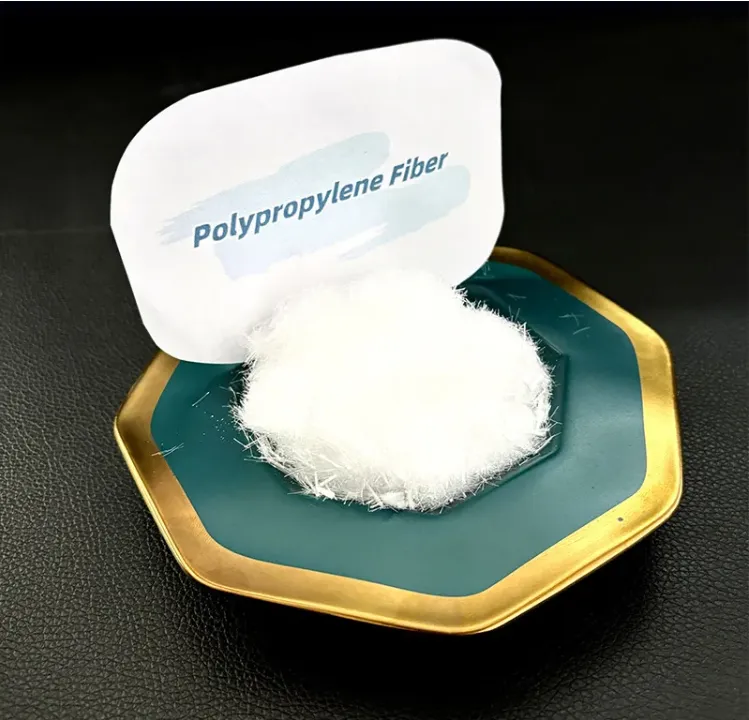
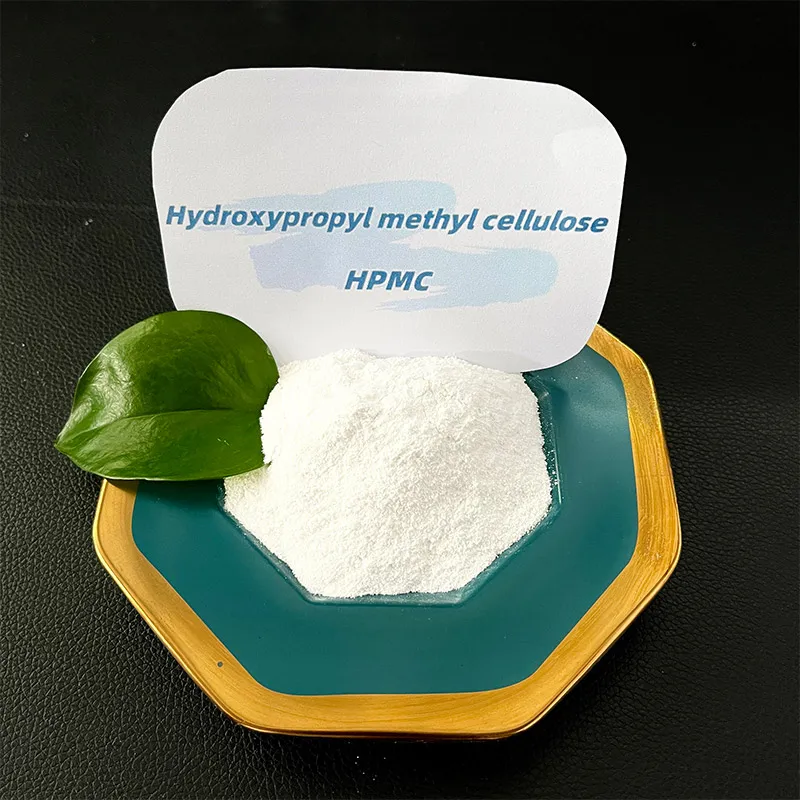
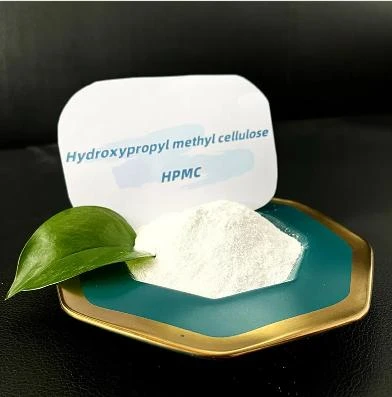


Hydroxypropyl Methylcellulose (HPMC) has seen a surge in demand across various industries, making the buying process an area of great interest. For those seeking to purchase HPMC, having a comprehensive understanding of the product, coupled with insights from industry professionals, is essential. An important characteristic of HPMC is its versatile applicability. With its non-toxic, tasteless, and odorless attributes, it is commonly used in pharmaceuticals, construction, food, and personal care products. In pharmaceuticals, HPMC acts as a binder and time-release agent, ensuring effective delivery of active ingredients. For construction, it enhances water retention and workability in products like cement and mortar, showcasing its pivotal role in the building sector. Purchasing HPMC demands expertise from industry insiders who emphasize the importance of quality . Experts recommend sourcing from certified manufacturers who adhere to international standards such as ISO and GMP. These certifications guarantee that the HPMC is manufactured under stringent quality control, ensuring product reliability and safety for end-users. Real-world experience highlights the importance of considering particle size and viscosity levels when buying HPMC. Different applications require specific viscosity ranges; for instance, higher viscosity HPMC is ideal for tile adhesives, whereas lower viscosity types might be better for pharmaceutical applications. Experienced professionals suggest requesting product samples to conduct application-specific tests before making bulk purchases. This not only ensures compatibility but also prevents potential product wastage. Authoritative voices in the industry emphasize the significance of understanding regional regulations. Product compliance can often vary depending on geographical location, affecting the import and usage of HPMC. Therefore, it is advisable to consult with regional experts and legal advisors to navigate through these regulatory frameworks effectively. hpmc buy Trustworthiness in the HPMC supply chain is another crucial factor. Buyers are advised to perform due diligence on suppliers. This includes reviewing company histories, customer testimonials, and case studies. Opting for suppliers with a proven track record, robust customer support and transparent business practices can significantly diminish risks associated with quality and delivery schedules. For ensuring seamless transactions, economic considerations play a pivotal role. Bulk purchasing can lead to significant cost reductions. However, financial experts suggest balancing purchase volume with inventory management to avoid overstocking, which could lead to increased holding costs. Developing a strategic purchasing plan with flexible terms can optimize financial outcomes while securing a steady supply of HPMC. Finally, leveraging technology can greatly aid in the HPMC procurement process. Utilizing supply chain management software can streamline operations, providing real-time updates on inventory levels, shipment tracking, and vendor communication. Such tools enhance efficiency, ensuring that the acquisition process aligns with business objectives. In conclusion, buying HPMC involves a blend of understanding its applications, ensuring quality through certified suppliers, adhering to regulations, establishing trust with vendors, managing economic factors wisely, and incorporating technological solutions. By focusing on these aspects, businesses can make informed decisions, optimizing the benefits of HPMC across their respective industries.
- 40000tons

Production
- 20+years

Experience
- 5000+㎡

Acreage

-
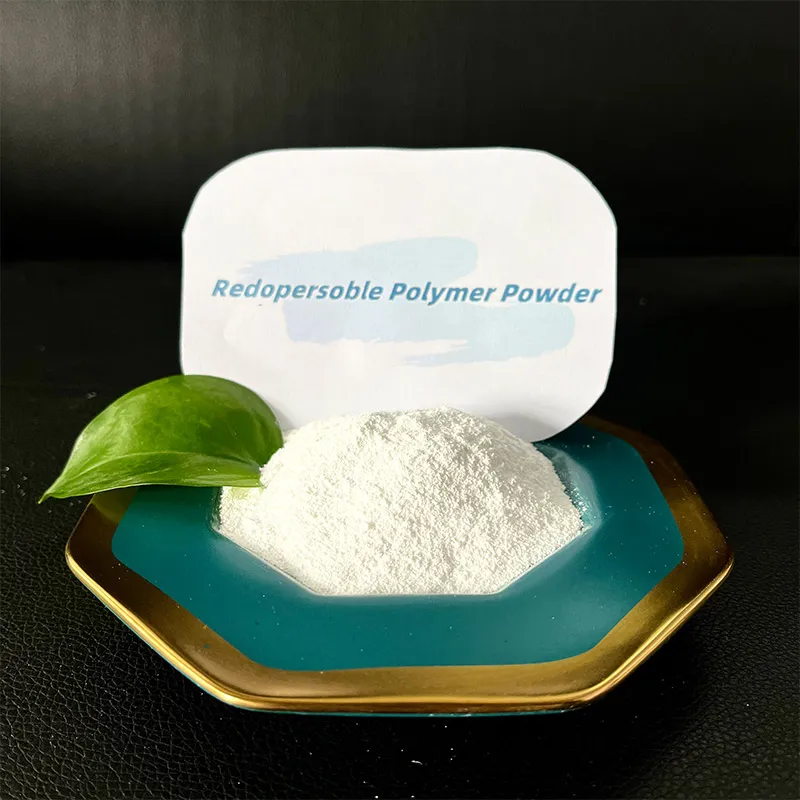
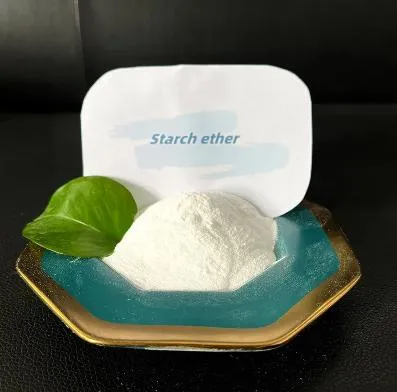
Advancements in Starch Ether Technology: Innovation in Material Science Starch ether , a refined white powder derived from natural plant sources, undergoes a sophisticated process of modification characterized by substantial etherification reactions, followed by a technique known as spray drying. At HeBei ShengShi HongBang, we've pioneered advanced manufacturing techniques to produce high-purity starch ether compounds with exceptional consistency and performance characteristics. Our starch ether solutions meet rigorous international standards across multiple industries. "Modern construction chemistry relies heavily on specialty additives like starch ether to achieve required performance parameters. The controlled modification of starch molecules significantly improves water retention, workability, and application properties in cementitious systems." - Journal of Construction Chemistry Explore Our Starch Ether Solutions Technical Parameters of Starch Ether Comprehensive Technical Specifications Parameter Standard Range Test Method Significance Viscosity (2% solution) 100-10,000 mPa·s Brookfield LVF Determines thickening efficiency pH Value 5.5-7.5 DIN EN ISO 787-9 Chemical compatibility indicator Moisture Content ≤ 8% Karl Fischer Storage stability & shelf life Degree of Substitution (DS) 0.02-0.10 Titration Method Functional group quantification Ash Content ≤ 1% DIN EN ISO 3451 Purity measurement Granulation (200 mesh) ≥ 95% Sieve Analysis Solubility and dispersion Bulk Density 450-550 g/l ASTM D1895 Dosage and handling Industry Applications of Starch Ether Construction Materials Starch ether serves as a multifunctional additive in tile adhesives, cement renders, and self-leveling compounds. Our specialized products enhance water retention, prolong open time, and improve sag resistance. Pharmaceutical Excipients In tablet formulations, starch ether functions as a superior binder-disintegrant combination. Medical-grade etherified starch enhances dissolution profiles while maintaining excellent compression characteristics. Food Processing Food-grade modified starch acts as a thickener, stabilizer, and texture modifier. Our specialized products are certified for applications in sauces, dressings, and frozen food preparations. Paper Manufacturing As a coating binder and surface sizing agent, starch ether improves paper strength, printability, and surface characteristics while reducing dusting during converting operations. Textile Processing In textile printing, our specialized starch ether serves as efficient thickeners that provide excellent color yield, sharpness of print, and easy washability. Oil Field Applications High-performance drilling fluid additives based on starch ether offer excellent fluid loss control at elevated temperatures while maintaining environmental compatibility. Starch Ether Advantages ? Sustainable Origin Derived from annually renewable starch resources, our products support sustainable material cycles. Life cycle assessments confirm the ecological advantages of starch-based chemicals versus petroleum alternatives. ? Water Retention Our patented starch ether chemistry achieves up to 30% higher water retention efficiency in construction materials compared to conventional cellulose ethers, improving hydration control in cementitious systems. ? Compatibility Enhancement Through specialized modification processes, we've developed starch ether products that demonstrate improved compatibility with modern additives including PCE superplasticizers and redispersible polymer powders. ⚖️ Cost Efficiency At equivalent performance levels, starch ether additives deliver significant formulation cost advantages while often improving application characteristics in multiple materials systems. Technical FAQs About Starch Ether What is the mechanism behind starch ether's water retention properties? Starch ether molecules undergo hydration that causes molecular chain expansion, creating a network that physically traps water through hydrogen bonding. The substitution pattern determines hydrophilic character and solution behavior. Studies show properly modified starches can hold water molecules even under mechanical pressure and low humidity conditions. How do starch ethers compare to cellulose ethers in construction applications? While both modify rheology, starch-based alternatives offer superior economics at comparable technical performance. Our research indicates specific advantages including faster dissolution, enhanced electrolyte tolerance, and different molecular weight distributions that complement cellulose derivatives. Many formulators blend both polymer types to optimize cost-performance ratios. What are the critical manufacturing parameters for consistent starch ether quality? Three parameters dominate: 1) Etherification efficiency (reaction kinetics and DS control), 2) Granulation technology achieving uniform particle size distribution, and 3) Thermal history optimization during drying phases. At HeBei ShengShi HongBang, we utilize continuous production monitoring with AI-driven process control that maintains quality variance below 0.5% over production batches. Can starch ether be used in formulations requiring thermal stability? Through specific chemical modification pathways, we produce thermal-stable grades that maintain functionality up to 90°C for extended periods. These specialty products are engineered through molecular structure optimization that reduces thermal degradation pathways. Third-party testing confirms retention of over 85% initial viscosity after 24 hours at 85°C. How is substitution degree (DS) measured, and what values are optimal? DS is quantified through both wet chemical titration and NMR techniques. For construction applications, optimal values range between 0.04-0.07 DS. Higher substitution increases solubility but may negatively impact thickening efficiency. We offer specialized testing services to match DS profiles to specific application requirements. What packaging options are available to prevent moisture degradation? We utilize triple-layer laminated sacks with polyethylene barriers offering less than 2g/m²/24h moisture transmission rates. Bulk silo systems are also available for high-volume users, featuring inert gas blanketing and humidity-controlled discharge systems to maintain optimal powder flow characteristics while preventing moisture absorption. How does starch ether impact environmental compliance profiles? Starch-based derivatives inherently offer environmental advantages including biodegradability (>95% OECD 301B), renewable resource origin, and low ecotoxicity. Our lifecycle assessments show carbon footprints reduced by 35-50% versus petrochemically derived alternatives. All products meet REACH and TSCA regulatory requirements. Industry Recognitions & References International Journal of Material Science: "Advanced Modification Techniques for Improved Starch Functionality" https://doi.org/10.1016/j.ijms.2022.102456 Construction Chemistry Review: "Novel Applications of Starch Ethers in Modern Building Materials" https://www.conchem-review.org/articles/ccr.11945 European Polymer Journal: "Structural Analysis of Industrially Modified Starch Derivatives" https://doi.org/10.1016/j.eurpolymj.2021.110812 Food Technology Magazine: "Functional Properties of Modified Food Starches in Processed Foods" https://www.ift.org/news-and-publications/food-technology-magazine Industrial Chemistry Research: "Continuous Production Processes for Starch Ether Derivatives" https://pubs.acs.org/doi/10.1021/acs.iecr.1c01234
-

Hydroxypropyl Methylcellulose (HPMC) E6 stands out as an unparalleled option in the field of industrial and consumer applications, providing an impressive combination of durability, versatility, and cost-effectiveness. This article delves into its multifaceted uses, backed by real-world experiences and scientific expertise from industry veterans, reinforcing its indispensable role in various sectors. In the construction industry, HPMC E6 proves to be a crucial component in achieving superior quality results. Its ability to enhance water retention and improve workability in cement and gypsum-based formulations makes it a trusted additive for tile adhesives, plasters, and mortars. Contractors frequently share testimonials about projects that benefited from the reduced cracks and improved bonding strength provided by HPMC E6, leading to lasting structural integrity. These firsthand experiences align with studies indicating significant advancements in tensile strength and flexibility for HPMC E6-modified materials, underscoring its reliability in demanding construction environments. When shifted to the pharmaceutical industry , the impact of HPMC E6 becomes even more profound. As a highly regarded excipient, it serves various functions, notably in controlled-release formulations. Its consistency in quality and performance has earned the trust of pharmacists and formulary scientists worldwide. Experienced formulators frequently note the ease with which HPMC E6 can be hydrated and its stability across a range of pH levels, optimizing drug delivery systems. Peer-reviewed research corroborates these experiences, confirming its efficacy in maintaining drug stability and releasing active ingredients with precision. In the realm of personal care products, HPMC E6 showcases its excellence in texture enhancement and stabilization, making it a favorite among cosmetic chemists. Its ability to thicken and emulsify without compromising the sensory properties of beauty products is unparalleled. Users have expressed satisfaction with the smooth application and consistent performance of creams and lotions incorporating HPMC E6, attributing improved aesthetics and moisture retention to this remarkable additive. hpmc e6 Environmental considerations also highlight the strengths of HPMC E6, as it aligns with sustainable practices. Its biodegradable nature does not compromise performance, ensuring that industries utilizing HPMC E6 are also contributing to ecological preservation. Environmental engineers and sustainability experts advocate for its wider adoption, noting its effectiveness in aligning with green objectives without sacrificing the high standards required in various applications. The financial aspect cannot be overstated; businesses leveraging HPMC E6 for their production processes often observe significant cost savings. Its ability to replace multiple individual additives reduces complexity in formulations and curtails procurement expenses. Real-world cost analysis reports demonstrate a marked reduction in total expenditure, bolstering the argument for HPMC E6 as a cost-efficient ingredient in competitive markets. As industries evolve, the authority of HPMC E6 remains unchallenged, consistently proving its mettle through expert endorsements and ethical manufacturing standards. Its adaptability, proved through countless applications, continues to build trust among users and manufacturers alike, who view it as an essential component ensuring progress and innovation while maintaining quality and sustainability. In conclusion, HPMC E6 emerges as a cornerstone in various industries, accredited by the confluence of expert knowledge, user trust, and authoritativeness. As the world strides towards more complex and demanding applications, HPMC E6 is poised to lead the charge, setting benchmarks for efficacy and reliability while championing environmental responsibility.
advantages
-

200000 Viscosities
Excellent product
We can produce pure products up to 200,000 viscosities
-

40000 tons
High yield
We don’t stop production all year round, and the annual output can reach 40,000 tons
-

24 hours
Quality service
We provide 24-hours online reception service, welcome to consult at any time
———— Inquiry Form
Schedule A services
-
 welded_wire_mesh_for_concrete
Oct . 25, 2025
When it comes to enhancing the durability and strength of concrete, polypropylene fiber is an indisp - polypropylene_fiber_reinforced
Oct . 25, 2025
The Role of Polypropylene in Screed Applications Screed is an essential material in the construction -
 hpmc_e5lv
Oct . 25, 2025
Macro fibers concrete has emerged as a revolutionary material in the construction industry, renowned


